Retail
Dallas Retail NNN Replacement Search
Identify credit backed single tenant and shadow anchored retail assets aligned with 1031 income goals.
Dallas Metro
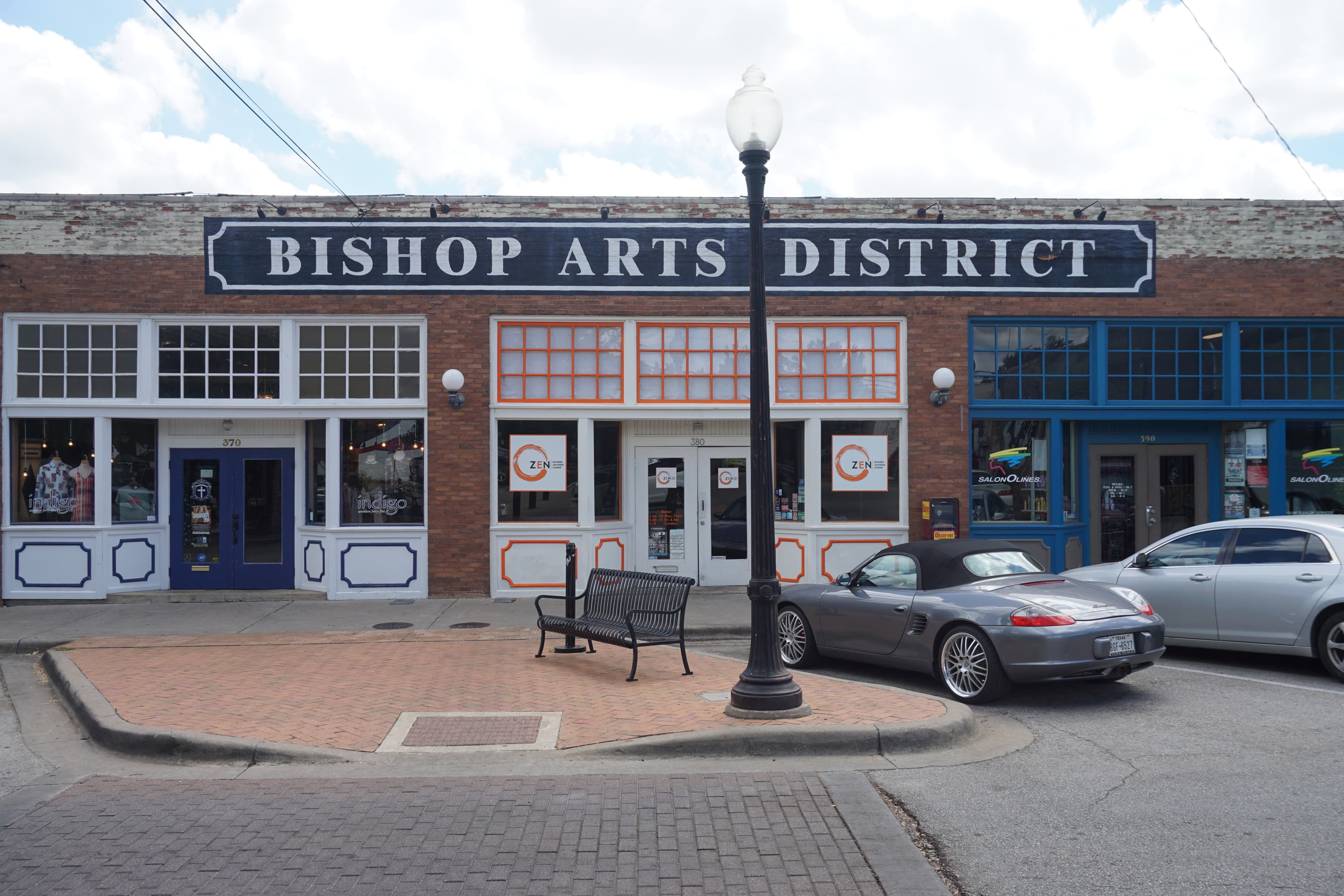
Bishop Arts, TX represents a vibrant neighborhood known for independent shops, restaurants, and creative businesses with growing real estate investment activity.
The Bishop Arts District in Oak Cliff has become one of Dallas's most walkable boutique retail and restaurant corridors, built largely out of converted early twentieth century bungalows and small commercial buildings. An owner selling here is typically holding a small-footprint retail or restaurant building rather than the larger single-tenant product common elsewhere in the metro.
Many Bishop Arts storefronts started as residential bungalows converted to commercial use, which means building systems, parking, and ADA access often need closer scrutiny than a purpose-built retail structure would. An investor exchanging out of one of these buildings should confirm what conversion work was permitted versus done informally, since informal conversions can surface as code issues during a buyer's due diligence. On-site parking is frequently limited to what a former residential driveway can hold, so many operators lean on street parking and nearby paid lots, and a buyer should confirm the actual parking arrangement a tenant relies on rather than assuming a code-compliant on-site count exists.
Bishop Arts leases skew toward independent restaurant and boutique retail concepts rather than national credit tenants, and that tenant mix turns over more frequently than a typical net lease property. A buyer should review lease term length and personal guarantee structure carefully, since an independent operator's lease commitment carries different risk than a corporate tenant's. Foot traffic here concentrates heavily around Bishop Avenue's core blocks and drops off within a few blocks in either direction, so location within the district matters more for an independent operator's success than it would for a destination tenant with its own regional draw.
Land values around Bishop Arts have risen faster than rents in some blocks as Oak Cliff redevelopment has accelerated, which compresses going-in cap rates for new buyers even where in-place income has not grown as quickly. An investor should model rent growth assumptions conservatively rather than extrapolating recent land price trends directly onto expected income.
Because individual Bishop Arts buildings are small and trade infrequently, an investor targeting this specific district often needs the two hundred percent rule to build out a workable identification list, while someone willing to widen the search to greater Oak Cliff or nearby Kessler Park can usually stay within the three property rule.
Lenders financing small Bishop Arts retail buildings often apply more scrutiny to tenant financial strength given the independent operator base, and a buyer should expect requests for personal guarantees or additional reserves. We coordinate with the qualified intermediary early so those additional underwriting steps do not create a late surprise before the closing date.
Retail
Identify credit backed single tenant and shadow anchored retail assets aligned with 1031 income goals.
Multifamily
Target stabilized and value-add multifamily communities aligned with IRS timelines and local yield expectations.
Multifamily
Target stabilized and value-add multifamily communities aligned with IRS timelines and local yield expectations.
Confirm what conversion work from residential to commercial use was actually permitted, since informal conversions can surface as code or ADA access issues during due diligence that would not appear in a purpose-built commercial structure.
It can generate strong rent but carries more turnover risk than a national credit tenant, so lease term length and personal guarantee structure should be reviewed carefully rather than assuming the income is as stable as a corporate net lease tenant.
Land values in Oak Cliff have risen quickly as the neighborhood redevelops, which compresses going-in cap rates for new buyers independent of in-place rent growth, so income projections should stay conservative rather than following recent land price trends.
Staying strictly within Bishop Arts often requires the 200 percent rule given how infrequently these small buildings trade, while widening the search to greater Oak Cliff or Kessler Park usually makes the three property rule workable.
No. We coordinate property sourcing and communication among your advisors. Whether a specific Bishop Arts transaction qualifies for tax deferral is determined by your CPA, tax attorney, and qualified intermediary.
Share your target asset and deadlines. Our team coordinates tours and underwriting within Dallas, TX.