Multifamily
Dallas Multifamily Replacement Identification
Target stabilized and value-add multifamily communities aligned with IRS timelines and local yield expectations.
Dallas Metro
Fort Worth, TX represents a major metropolitan market for 1031 exchange investors seeking replacement properties in the Dallas-Fort Worth metroplex and nationwide.
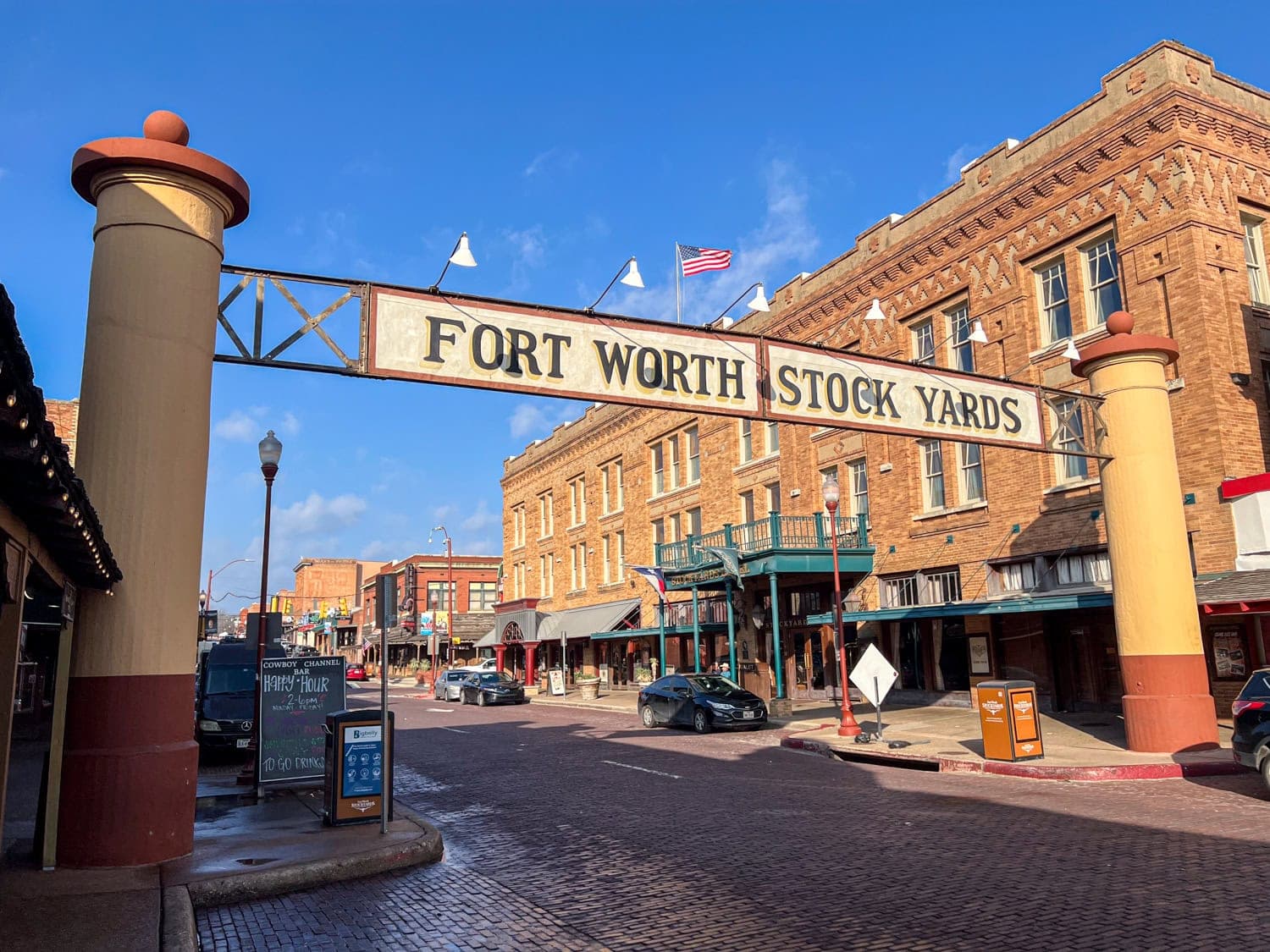
Fort Worth trades on a different mix than the rest of the metro. Medical and lab space clusters around the Near Southside hospital campuses, hospitality and entertainment product ties to the Cultural District's museum row and the Dickies Arena calendar, and adaptive-reuse retail fills the historic Stockyards district. Downtown carries an older office stock that keeps producing residential-conversion candidates as owners reposition floors that no longer compete for corporate tenants. An exchanger moving proceeds into Fort Worth is usually choosing between a stabilized medical-office lease and a value-add conversion or adaptive-reuse play, and those two paths carry different diligence lists and different amounts of runway before the 45-day identification deadline closes.
Texas Health Harris Methodist Fort Worth, Cook Children's Medical Center, and the UNT Health Science Center anchor a medical office and lab corridor just south of downtown, and the tenant base there skews toward physician groups, diagnostic imaging operators, and research tenants who sign longer leases because their buildout is expensive to relocate. A buyer identifying a Near Southside medical building as replacement property should pull the tenant improvement allowance history and compare remaining lease term against buildout amortization, since a short remaining term on a heavily built-out suite can signal renewal risk regardless of the current rent roll. Ground-floor retail along Magnolia Avenue supports a separate, shorter-term leasing pattern serving the walkable restaurant and neighborhood-retail crowd drawn by the medical campus workforce.
The Kimbell, the Modern, and the Amon Carter museums, together with Dickies Arena, draw event-driven hotel and short-term hospitality demand into the Cultural District, and boutique hotel and event-adjacent retail are the typical asset types an exchanger sees listed there. Occupancy and average rate at these properties can swing considerably with the arena's rodeo, equestrian, and concert calendar, so a buyer should review trailing revenue per available room across a full operating year rather than relying on figures pulled from peak-event months. Confirming which months carried the trailing numbers matters more here than in a straight multifamily or office underwriting, since a partial-year sample can misstate what stabilized performance actually looks like.
The Stockyards Historic District, including Mule Alley and the Livestock Exchange Building, has been repositioned into hospitality, entertainment, and boutique retail inside century-old masonry structures, and several of those buildings carry historic designation or preservation-easement terms that limit what alterations a new owner can make without approval. A due-diligence file for Stockyards or Near Northside replacement property typically includes:
Confirming whether a property sits under a ground lease is worth checking early, since several Stockyards parcels are held that way and it changes both financing and the identification description an exchanger needs to file.
An exchanger weighing a stabilized Near Southside medical building against a downtown conversion candidate or a Stockyards adaptive-reuse property often names both under the three-property or 200% rule, keeping the stabilized asset as the frontrunner while additional structural and historic-compliance inspection work happens on the conversion candidate. Conversion and adaptive-reuse properties usually need more inspection time than a straight leased asset, and starting that inspection scheduling before the formal identification letter goes out helps avoid running the 45-day window down to the last few days on a property that may not clear diligence.
Lenders underwriting a Fort Worth conversion or adaptive-reuse acquisition typically request an updated appraisal and feasibility work beyond what a stabilized leased asset requires, and getting that request in front of the lender early tends to prevent a late-stage delay heading into the 180-day closing deadline. The qualified intermediary holds exchange proceeds throughout this process and releases them to the closing table once the transaction is ready; this describes process and coordination only, and Fort Worth exchangers should confirm the tax treatment of any conversion or reuse property with their own tax advisor before closing.
Multifamily
Target stabilized and value-add multifamily communities aligned with IRS timelines and local yield expectations.
Exchange Strategy
Engineer three property lists with ranked backups, diligence status, and QI ready memorandums.
Industrial
Secure last mile warehouses, cross-dock, and bulk distribution assets that match logistics growth across North Texas.
Retail
Identify credit backed single tenant and shadow anchored retail assets aligned with 1031 income goals.
Physician and diagnostic tenants build out expensive space that is costly to relocate, so they typically sign longer terms. Check the tenant improvement allowance history and remaining lease term against buildout amortization before identifying the building.
Yes. Occupancy and rate can swing with the museum and arena event calendar, so review trailing revenue per available room across a full operating year rather than peak-event months alone.
Many Stockyards structures carry historic designation or preservation-easement terms that limit alterations and can affect financing. Confirm designation status and any easement terms before identification.
Many exchangers do, under the three-property or 200% rule, so inspection work on the conversion candidate can continue while the stabilized asset remains the frontrunner, as long as combined identified value stays within the applicable threshold.
Often, yes, requesting updated appraisal or feasibility work beyond what a stabilized asset needs. The qualified intermediary still holds and directs exchange funds; this is process description only, and investors should confirm tax treatment with their own advisor.
Share your target asset and deadlines. Our team coordinates tours and underwriting within Dallas, TX.