Flex
Dallas Flex and Light Manufacturing Exchange
Blend office and production space requirements for light manufacturing, creative lab, and tech flex replacements.
Dallas Metro
Richardson, TX has evolved from a quiet suburb into a thriving technology and telecommunications hub, creating compelling 1031 exchange opportunities for investors seeking properties in innovation-dri...
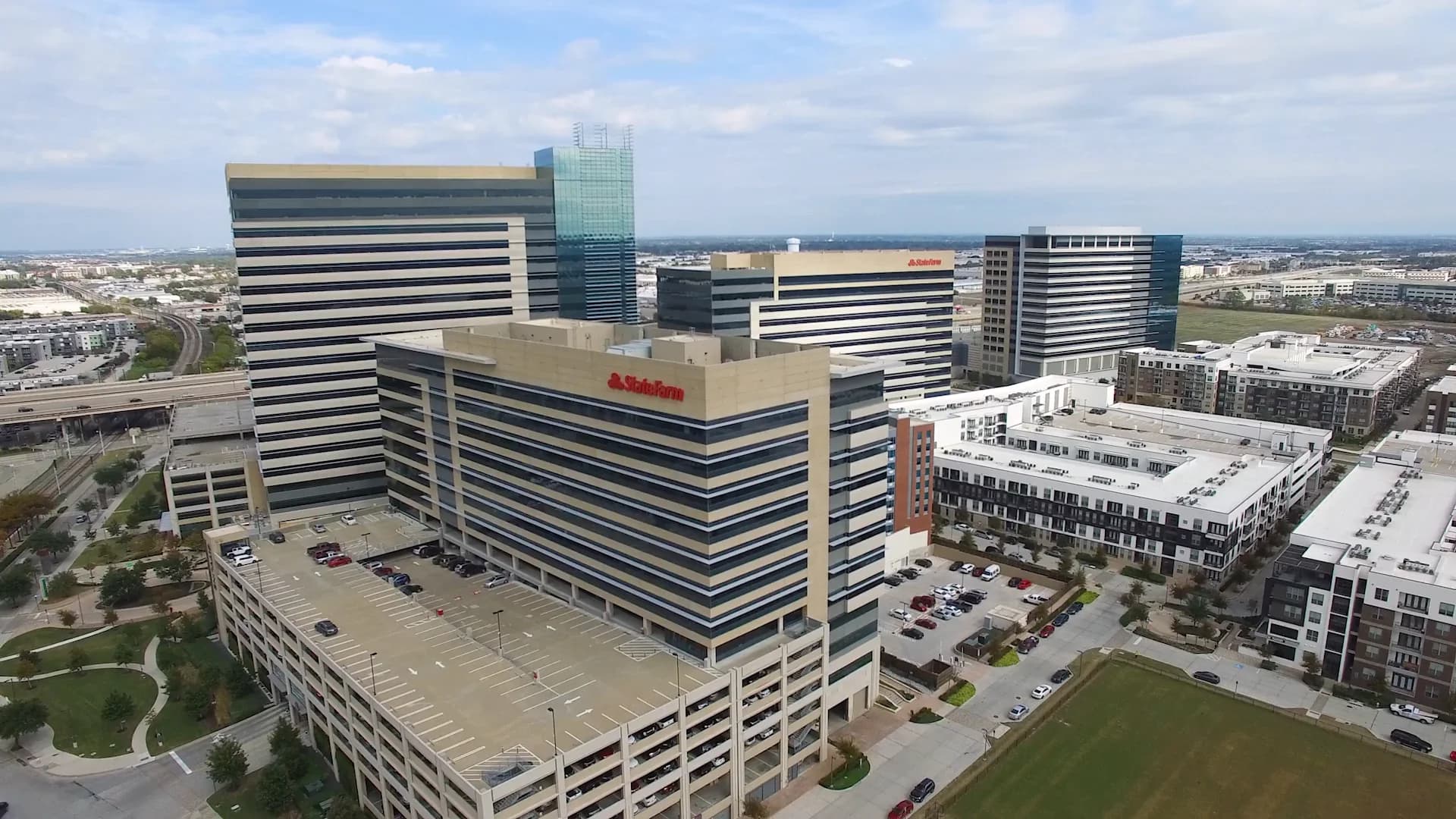
Richardson built its commercial identity around the Telecom Corridor, the stretch of office and flex space along Central Expressway that once housed Texas Instruments, Nortel, and a long list of telecommunications tenants, and a meaningful share of that stock is now aging past what a modern tenant wants without capital investment. CityLine, the mixed-use development that grew up around State Farm's regional campus, represents the newer end of the spectrum, with adjacent multifamily and retail built to serve that workforce. The University of Texas at Dallas supports its own pocket of student-driven multifamily and research-adjacent flex space nearby. An exchanger sourcing Richardson replacement property is often choosing between a stabilized CityLine-area asset and a value-add Telecom Corridor building, and those two paths carry different capital assumptions and different comparable-sales pools to draw on when setting a purchase price.
Much of the office and flex stock along the Telecom Corridor was purpose-built for a telecommunications tenant base that has largely moved on, and buildings from that era sometimes carry floor plates, ceiling heights, or power capacity that do not suit a modern office or light-industrial tenant without renovation. A buyer should request a specific capital plan and cost estimate for any repositioning, rather than assuming the current low basis alone makes the deal attractive, since the cost to bring an obsolete telecom-era building up to current tenant expectations can offset much of that basis advantage. Some owners along this corridor have pursued a change of use entirely, converting older flex buildings to self-storage or last-mile distribution rather than repositioning them as office, and a buyer should ask which path the current owner's capital work actually supports before assuming a straight office renovation is the only option.
CityLine's mixed-use development, developed alongside State Farm's large regional campus, has drawn newer multifamily, retail, and hotel product designed to serve that workforce, and this asset class generally carries more conventional, institutional-grade underwriting than the older Telecom Corridor stock. A buyer should still review employer concentration for any CityLine-area multifamily property, since occupancy here ties meaningfully to a single large corporate campus rather than a broad, diversified employment base. Retail and hotel space built into the same development generally serves that same corporate population, which means weekday demand at a CityLine restaurant or hotel can look considerably different from weekend demand, and a buyer should ask for a day-of-week revenue breakdown rather than a single blended average.
Multifamily near the University of Texas at Dallas leases on an academic calendar rather than a conventional year-round pattern, and nearby flex space sometimes serves university-adjacent research tenants whose lease terms can differ meaningfully from a standard industrial tenant. A diligence file for UT Dallas-adjacent replacement property typically includes:
Confirming pre-leasing pace against the prior year is worth doing directly for student-oriented product, since trailing occupancy alone can understate a coming shortfall.
Exchangers weighing a Telecom Corridor value-add candidate against a stabilized CityLine-area asset often name both under the three-property or 200% rule, keeping the stabilized property as the frontrunner while a contractor or engineer finishes the capital-plan estimate for the older building within the 45-day identification window. Naming the value-add candidate as a backup costs nothing extra as long as its identified value, combined with the frontrunner, stays within the applicable threshold.
Lenders financing a Telecom Corridor repositioning typically request the capital plan and renovation budget up front, treating the deal more like a value-add underwrite than a straight income acquisition, and surfacing that plan early tends to keep the loan process aligned with the 180-day closing deadline. The qualified intermediary holds exchange proceeds throughout and directs them to the closing table; this describes process and coordination only, and Richardson exchangers should confirm tax treatment with their own advisor.
Flex
Blend office and production space requirements for light manufacturing, creative lab, and tech flex replacements.
Multifamily
Target stabilized and value-add multifamily communities aligned with IRS timelines and local yield expectations.
Retail
Identify credit backed single tenant and shadow anchored retail assets aligned with 1031 income goals.
Exchange Strategy
Design diversified identification lists with value weighting and compliance scoring under the 200 percent rule.
Much of it was purpose-built for a telecommunications tenant base that has largely moved on, and floor plates, ceiling heights, or power capacity from that era can require renovation to suit a modern tenant, which offsets some of the basis advantage.
Some, since occupancy ties meaningfully to the State Farm regional campus rather than a broad, diversified employment base. Reviewing employer concentration is a reasonable diligence step before identification.
Compare the current pre-leasing percentage to the same point in the prior year, since trailing occupancy alone can understate a coming shortfall in a property that leases on an academic calendar.
Many exchangers do this under the three-property or 200% rule, keeping the stabilized property as the frontrunner while a capital-plan estimate for the older building gets finished within the 45-day window.
Often, yes, treating a Telecom Corridor repositioning more like a value-add underwrite and requesting the capital plan up front. The qualified intermediary still holds and directs exchange funds; this is process description only, and investors should confirm tax treatment with their own advisor.
Share your target asset and deadlines. Our team coordinates tours and underwriting within Dallas, TX.