Multifamily
Dallas Multifamily Replacement Identification
Target stabilized and value-add multifamily communities aligned with IRS timelines and local yield expectations.
Dallas Metro
McKinney, TX represents one of the fastest-growing cities in the Dallas-Fort Worth metropolitan area, creating compelling 1031 exchange opportunities for investors targeting properties in high-growth ...
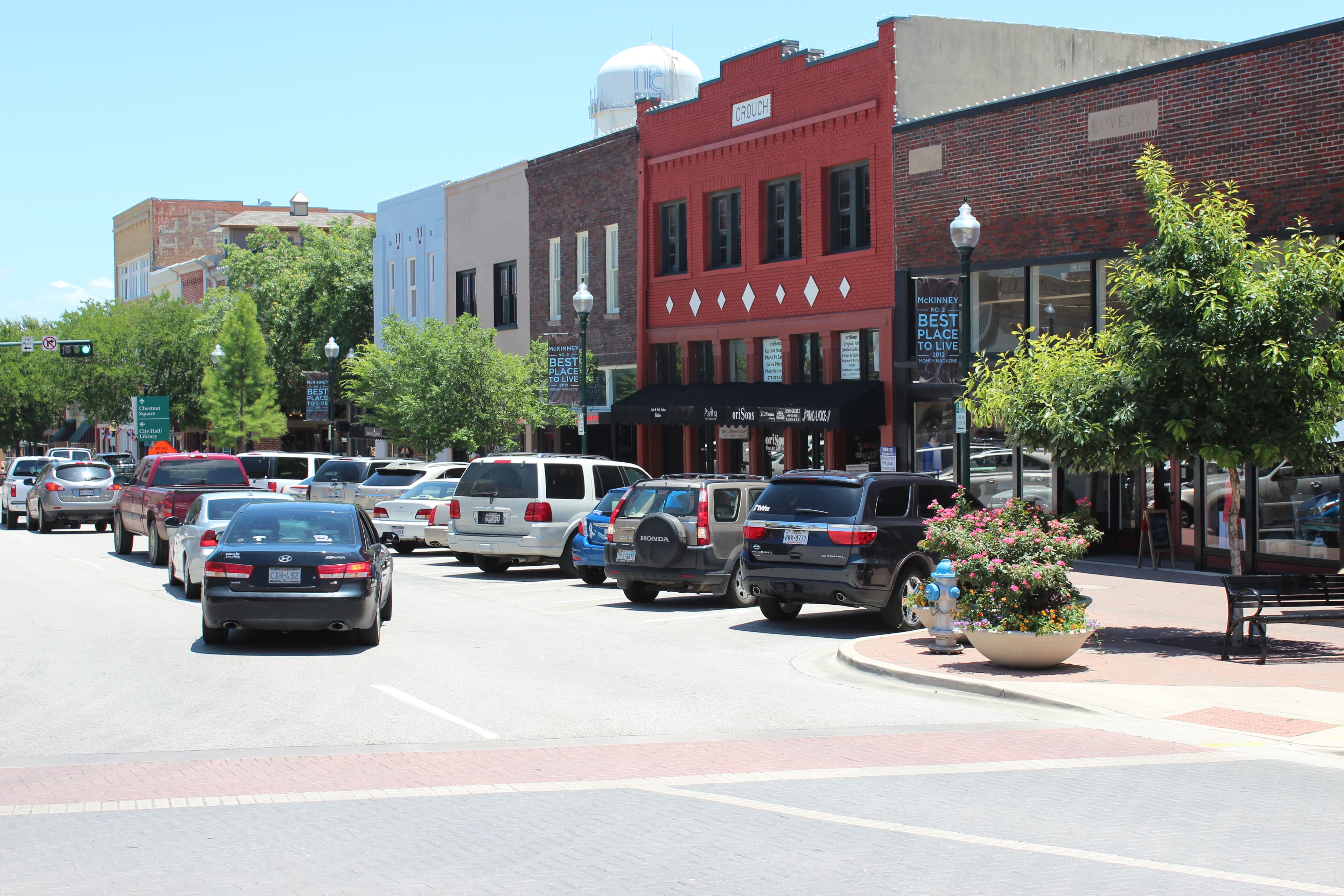
McKinney has grown north along US-75 and State Highway 121 faster than its commercial stock has fully caught up, which means an exchanger sourcing replacement property here finds a mix of long-established assets and product still proving itself. The historic downtown square holds adaptive-reuse retail and restaurant space around the courthouse, Craig Ranch has built out a medical office and corporate campus north of downtown, and McKinney National Airport supports a smaller but real base of aviation-related commercial property. Self-storage and neighborhood retail elsewhere in the city have generally tracked the pace of new rooftops rather than run ahead of it. Fewer of these assets have traded multiple times compared with an older Dallas suburb, so comparable sales data can be thinner than an exchanger might expect, and pricing a property here sometimes requires leaning on nearby Collin County suburbs for reference points rather than pure McKinney-only sales history.
The buildings ringing the historic courthouse square have largely been repositioned into restaurant, boutique retail, and small-office space, and many of these structures predate modern building codes, which means mechanical, electrical, and fire-suppression upgrades are common line items on a recent capital improvement history. A buyer should request whatever permit history exists for a specific building before assuming current systems meet code for the intended use, since a change in tenant type inside one of these older structures can trigger a more extensive upgrade requirement than a newer building would face.
Craig Ranch has developed a medical office and corporate campus base north of downtown, anchored in part by hospital-system-affiliated outpatient facilities, and this product generally carries longer lease terms and more institutional underwriting than the older downtown stock. A buyer should confirm whether a given building's anchor tenant carries a hospital system affiliation, since that relationship can support renewal probability beyond what the lease term alone indicates, and should review parking ratio relative to patient volume for any outpatient-facing building.
McKinney National Airport supports a smaller commercial category serving corporate and general aviation, including hangar space and fixed-base-operator facilities, and this asset class carries diligence requirements that look nothing like a standard office or retail acquisition. Demand at this airport has grown alongside the broader business-aviation activity moving north out of the Dallas core. A diligence file for airport-adjacent aviation replacement property typically includes:
Confirming remaining ground lease years is especially important with airport authority land, since financing terms and resale value both depend heavily on how much lease term remains.
Because McKinney has less trading history than an older, more built-out suburb, especially for newer product tied to residential growth like self-storage or neighborhood retail, exchangers sourcing here often name a downtown or Craig Ranch candidate with more established comparable sales alongside a newer, growth-corridor property under the three-property rule, keeping the better-documented candidate as a fallback if comparable data on the newer asset proves too thin to support the purchase price within the 45-day window.
Lenders unfamiliar with airport authority ground leases sometimes need more time to underwrite an aviation-property acquisition than a conventional office or retail deal, so identifying a lender with specific experience in this asset class before formal identification helps keep the transaction on pace for the 180-day closing deadline. The qualified intermediary holds exchange proceeds throughout this process and releases them at closing; this describes process and coordination only, and McKinney exchangers should confirm tax treatment with their own advisor.
Multifamily
Target stabilized and value-add multifamily communities aligned with IRS timelines and local yield expectations.
Retail
Identify credit backed single tenant and shadow anchored retail assets aligned with 1031 income goals.
Flex
Blend office and production space requirements for light manufacturing, creative lab, and tech flex replacements.
Land
Assemble entitled and raw land tracts near growth corridors with entitlement diligence baked into exchange pacing.
Request the permit history for the specific building, since many predate modern building codes and a change in tenant type can trigger a more extensive mechanical or fire-suppression upgrade than a newer building would require.
Yes. A hospital system affiliation can support renewal probability beyond what the lease term alone shows, so confirming that relationship is worth the extra diligence step.
Ground lease terms with the airport authority, FBO or sublease rights, and fuel storage environmental compliance all require review beyond a standard office or retail checklist, and remaining ground lease years affect both financing and resale value.
Much of the city's growth-corridor product, including self-storage and neighborhood retail, is newer and has traded fewer times, so identifying a better-documented downtown or Craig Ranch candidate as a fallback is a common approach.
No. Lenders unfamiliar with this structure often need more underwriting time, so identifying a lender with specific experience before formal identification helps. The qualified intermediary still holds and directs exchange funds; this is process description only, and investors should confirm tax treatment with their own advisor.
Share your target asset and deadlines. Our team coordinates tours and underwriting within Dallas, TX.