Multifamily
Dallas Multifamily Replacement Identification
Target stabilized and value-add multifamily communities aligned with IRS timelines and local yield expectations.
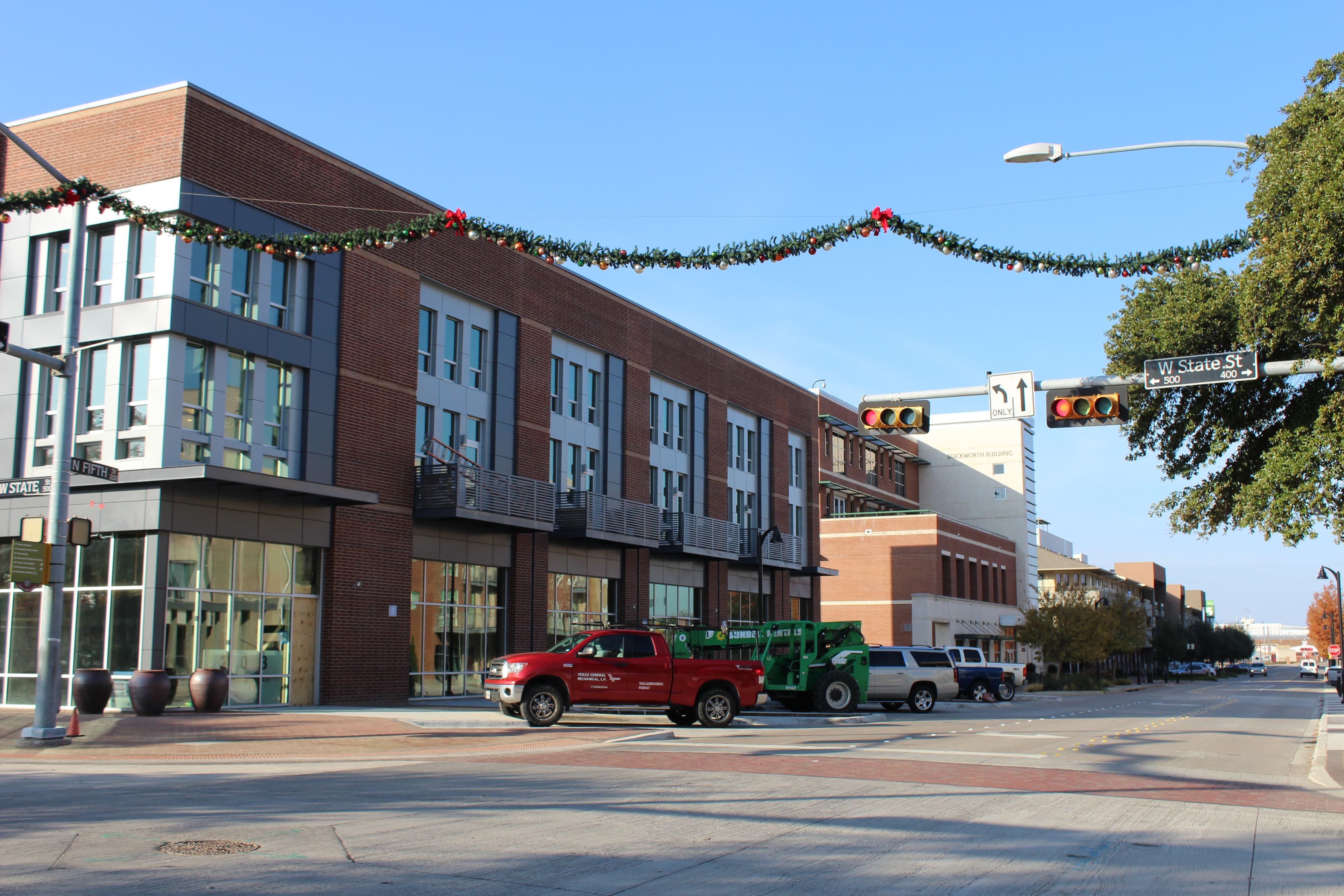
Dallas Metro
Garland, TX provides 1031 exchange investors with access to a large, diverse market for replacement properties in the Dallas-Fort Worth metroplex and nationwide.
Garland is one of the metro's older inner-ring suburbs, and its commercial base reflects decades of manufacturing and light-industrial history along the I-30 and Centerville corridor rather than the newer master-planned campuses found further north. Workforce multifamily built to house that industrial labor base makes up a large share of the residential-adjacent commercial stock, and retail along Garland Road and Broadway serves an established, long-settled population rather than a fast-growing rooftop count. Institutional buyers trade less frequently here than in the newer northern suburbs, which means an exchanger sourcing Garland replacement property should expect a slower, more relationship-driven deal flow than a Legacy-corridor or Frisco transaction, with more of the useful data on a given property coming from the current owner or a local broker than from a database of recent comparable sales.
Garland's industrial base grew up around decades-old manufacturing and light-assembly buildings, many originally built for electronics or garment-related production, and this vintage of building sometimes carries lower clear heights and older electrical or fire-suppression systems than a distribution tenant expects today. A buyer should request a specific capital plan for any needed system upgrades before underwriting the deal as a straight income acquisition, since the true cost of bringing an older Garland industrial building up to current tenant standards can be substantial relative to the purchase price. Some of these buildings sit on larger parcels than their footprint requires, a legacy of an earlier era of manufacturing site planning, and a buyer should confirm whether any excess land carries separate development potential or simply adds to the tax and maintenance burden without a clear path to added value.
Multifamily product here generally serves a working-class tenant base tied historically to the surrounding industrial and manufacturing employment, and this product tends to show different turnover and collection patterns than the newer, amenity-heavy multifamily found in faster-growing suburbs. A buyer should review trailing turnover and delinquency data closely and confirm whether recent capital improvements have kept pace with deferred maintenance, since older workforce housing stock in an inner-ring suburb can carry more deferred capital needs than the trailing income statement alone reveals. A property inspection covering roofs, parking surfaces, and plumbing systems original to the building is worth commissioning before identification rather than after, given how often deferred maintenance on this vintage of multifamily only becomes visible once a new owner starts making capital repairs.
Retail along Garland Road and Broadway generally serves an established, long-settled resident population with grocery-anchored centers and freestanding pad sites rather than the newer lifestyle-center format found in faster-growing suburbs. A diligence file for this corridor typically includes:
Reviewing anchor tenant sales performance is worth the extra step in an established, slower-growth corridor like this one, since a grocery anchor's own health matters more to a center's stability than in a fast-growing suburb where new rooftop demand can carry a weaker anchor.
Because institutional buyers trade less frequently in Garland than in the newer northern suburbs, an exchanger sourcing replacement property here should expect fewer comparable transactions to lean on when finalizing a purchase price, and building in extra time for a broker or seller to produce trailing financials is worth planning around inside the 45-day identification window rather than assuming a fast-moving northern-suburb pace.
Lenders financing an older Garland industrial or multifamily acquisition typically request a property condition assessment in more detail than they would for newer product, given the age of the building stock, and getting that assessment ordered early helps keep the loan process on pace for the 180-day closing deadline. The qualified intermediary holds exchange proceeds throughout and releases them at closing; this describes process and coordination only, and Garland exchangers should confirm tax treatment with their own advisor.
Multifamily
Target stabilized and value-add multifamily communities aligned with IRS timelines and local yield expectations.
Industrial
Secure last mile warehouses, cross-dock, and bulk distribution assets that match logistics growth across North Texas.
Retail
Identify credit backed single tenant and shadow anchored retail assets aligned with 1031 income goals.
Timeline
Command every deadline with automated reminders, escrow coordination, and compliance documentation.
Many buildings here were built decades ago for electronics or garment-related manufacturing and carry lower clear heights or older systems. Request a specific capital plan for upgrades before underwriting the deal as a straight income acquisition.
Review trailing turnover and delinquency data closely and confirm whether recent capital improvements have kept pace with deferred maintenance, since older workforce housing can carry more deferred capital needs than the income statement shows.
It can. In an established, slower-growth corridor, a grocery anchor's own sales performance matters more to center stability than in a fast-growing suburb where new rooftop demand can support a weaker anchor.
Not necessarily. Institutional buyers trade less frequently here than in newer northern suburbs, so building in extra time for a seller to produce trailing financials is worth planning around inside the 45-day identification window.
Often a more detailed property condition assessment given the age of the building stock. The qualified intermediary still holds and directs exchange funds; this is process description only, and investors should confirm tax treatment with their own advisor.
Share your target asset and deadlines. Our team coordinates tours and underwriting within Dallas, TX.